After losing one friend to a shooting and another to a fatal stabbing, Shan turned to ChatGPT for support. Although she had sought help from traditional mental health services, she found "chat", which is the AI companion she grew to trust, it happens to be more approachable, less overwhelming, and importantly, more accessible in helping her cope with the trauma of her friends' deaths.
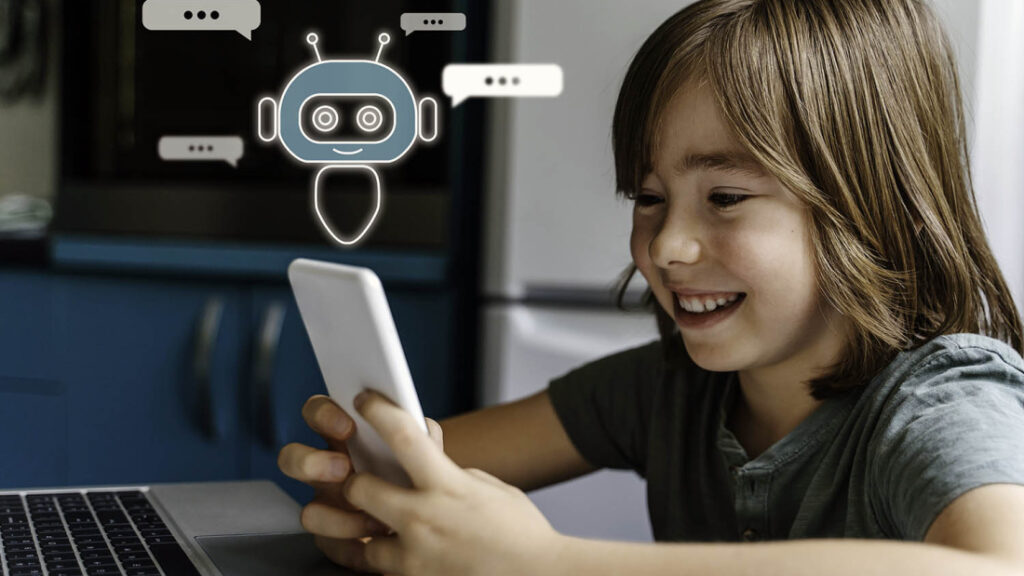
As she began seeking support from the AI model, the teenager from Tottenham became part of the 40% of 13- to 17-year-olds in England and Wales impacted by youth violence who are now turning to AI chatbots for mental health help, based on findings from a study involving over 11,000 young individuals.
Find out more at : https://www.theguardian.com/technology/2025/dec/09/teenagers-ai-chatbots-mental-health-support
ChatGPT now records over 800 million active users weekly, with the majority engaging the tool for non-work-related purposes. According to a recent report by the Harvard Business Review, one of the most common uses in 2025 is for therapy and companionship. As global mental health concerns deepen and with only 50% of individuals with diagnosable conditions receiving any form of treatment. Many are turning to AI chatbots as accessible substitutes for therapists or confidants.
"Because generative AI chatbots are programmed to be affirming, they offer responses that feel validating, a key component of emotional support," said Douglas Mennin, Professor of Clinical Psychology and co-developer of Emotion Regulation Therapy. "Unfortunately, many people don't receive that kind of support in the real world."
Read more at : https://www.tc.columbia.edu/articles/2025/december/experts-caution-against-using-ai-chatbots-for-emotional-support/
Artificial intelligence systems are increasingly capable of recognizing and responding to human emotions, simulating empathy through advanced data processing. While these systems do not genuinely "feel", their ability to mirror emotional understanding has created what experts call a "compassion illusion". This phenomenon, though comforting to some, has sparked serious concerns and reflected in ongoing lawsuits against ChatGPT following the reported suicides of multiple users.
Studies have found that AI-generated responses can, at times, make individuals feel more "heard" than replies from untrained humans. Platforms like Replika, Woebot, and Kuki are specifically designed to provide empathetic and supportive interactions.
As generative AI continues to intersect with emotional wellbeing, experts warn the technology remains a double-edged sword, where it is offering both valuable support and potential harm. Developers and users alike are urged to stay informed about how these tools are designed and the appropriate contexts in which they should be used.
Find out more at : https://www.forbes.com/sites/tomokoyokoi/2025/12/08/when-ai-speaks-the-language-of-emotion-whats-next/


0 Comments
|577 Views
No Comments yet
Be the first to comment.